

Lemon Salt Recipe – With Fresh Lemons And Sea Salt
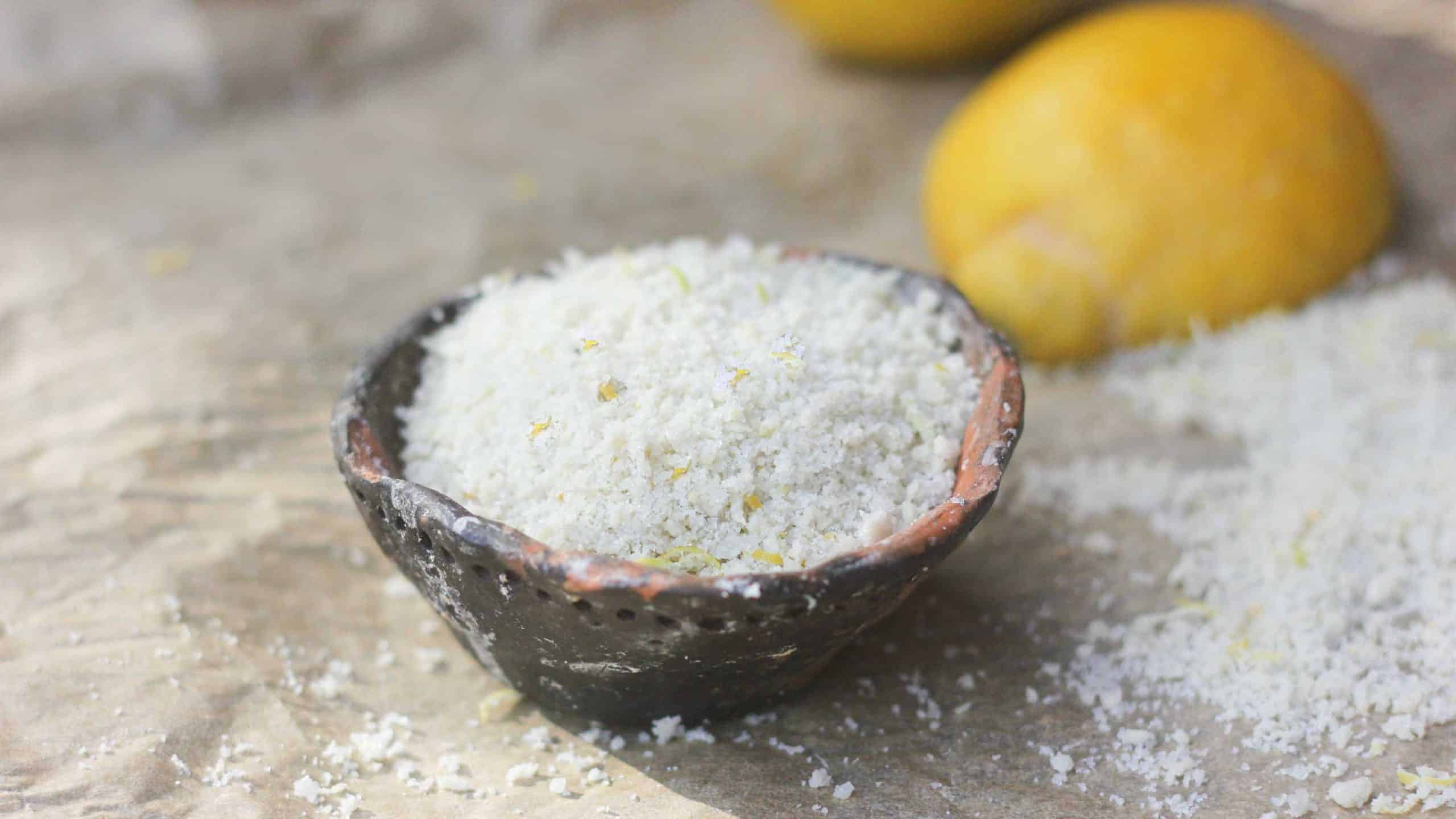
This recipe combines lemon zest from fresh lemons and coarse sea salt to create a versatile finishing salt with vibrant flavor. Since this recipe only uses lemon zest, not lemon juice, you won’t need a dehydrator to make it. The salt dries naturally overnight, and the lemon zest shrinks, leaving tiny bursts of bright lemon flavor.
We love to serve this salt alongside fish, but we also add it to salad dressings and sauces, as it’s a great way to add a little pop of flavor.

When I juice lemons for other recipes, like dressing or baking, I hate to throw the peel away. My favorite way to use that leftover lemon peel is by making this simple citrus salt. Lemon and salt might seem like an unlikely pairing but I promise, they taste amazing together!
If you love lemons, you’re going to want to check out this irresistible Whipped Lemon Butter Recipe, these Salted Lemon Shortbread Cookies and this delicious Bone Marrow Butter With Rosemary, Garlic and Lemon!
Ingredients
Quick note
This recipe makes a small batch of finishing salt, but a little does go a long way to add flavor. You can easily double the recipe if you want to make a larger batch to give as a gift, etc.
1 Lemon – I use regular lemons. Meyer lemons are known for their sweetness, and you can use them if you prefer.
1/2 Cup/ 150g Salt – preferably coarse ground natural sea salt. Table salt works, but often tastes a little saltier and can overpower the lemon flavor. So you may want to adjust the amount of lemon rind and add more if necessary
Equipment
-Lemon zester or fine grater
-Small bowl
-You will need a tray or baking tray to spread out the salt on. (You can line the tray with parchment paper if you like.)
-An airtight jar for storage
Instructions
1. Wash and dry the lemon. Zest the lemon using a fine grater, try to avoid the white pith as it can add a bitter taste to your salt.
2. Measure out salt into a small bowl and add zested lemon. Mix thoroughly, rubbing the salt and lemon zest between your fingers for a couple of minutes to disperse the lemon flavor.


3. Spread on a baking sheet and leave to dry overnight.
Depending on the humidity where you live, it may take a little longer to fully dehydrate. You’ll know it’s ready when the lemon zest has shrunk significantly and become hard.
4. Use your fingers or a pestle and mortar to break up any clumps gently. Serve in a salt dish or transfer to an airtight container.

Storage
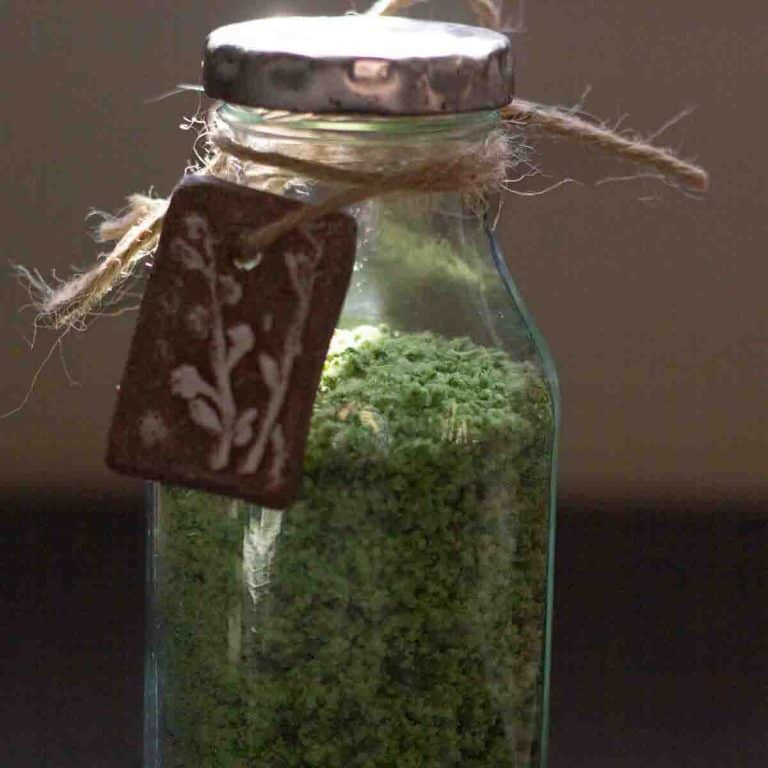
Store your lemon salt in an airtight container at room temperature for up to a year or longer.


Serving suggestions
-Use this vibrant salt as a finishing salt for savory dishes like fish, roasted chicken, or vegetables.
-It also tastes great over a fresh salad or added to salad dressing!
-This salt goes particularly well with all kinds of fish. Sprinkle it anywhere you might add a splash of lemon juice. For example, on top of cooked fish, or one of my favorite ways to use it, is to mix it with some yogurt and a little fresh dill for a super quick sauce with a unique flavor, perfect for fish dishes.
-You can even use it to line cocktail rims!! Just run a lemon slice along the rim of a cocktail glass, then dip the rim into the lemon salt. It looks impressive and tastes great!
If you like lemons then you won’t want to miss this amazing and Easy Marrow Jam Recipe – With Ginger And Lemon or these Salted Lemon Shortbread Cookies !

Lemon Salt Recipe – With Fresh Lemons And Sea Salt
Equipment
- Fine grater
- -Small bowl
- Tray or baking tray to spread out the salt on. -You can line the tray with parchment paper if you like.
- Airtight jar for storage
Ingredients
- 1 Lemon – I use regular lemons. Meyer lemons are known for their sweetness and you can use them if you prefer.
- ½ Cup Salt – preferably coarse ground natural sea salt. Table salt works but often tastes a little saltier and can overpower the lemon flavor. So you may want to adjust the amount of lemon rind and add more if necessary
Instructions
- Wash and dry the lemon. Zest the lemon using a fine grater, try to avoid the white pith as it can add a bitter taste to your salt.
- Measure out salt into a small bowl and add zested lemon. Mix thoroughly, rubbing the salt and lemon zest between your fingers for a couple of minutes to disperse the lemon flavor.
- Spread the salt on a tray or baking sheet and leave to dry overnight.Depending on the humidity where you live, it may take a little longer to fully dehydrate. You'll know it's ready when the lemon zest has shrunk significantly and become hard.
- Use your fingers or a pestle and mortar to break up any clumps gently. Transfer to an airtight container.
Notes
Nutrition
Please note:
This nutritional information is an estimate and values may vary. It is for guidance only and should not be considered dietary advice.

Let me know if you have any questions about this recipe! I hope you enjoy it as much as we do!