

Fresh Wild Garlic Pesto Recipe
This fresh wild garlic pesto recipe is a great way to celebrate the return of spring! Wild garlic leaves, parmesan cheese, walnuts ( instead of traditional pine nuts) extra virgin olive oil, fresh lemon juice, and sea salt, combine to make a fresh pesto that’s ready within minutes. It’s a delicious alternative to basil pesto has a mild garlic flavor, and is perfect for a quick pasta dish or to dress up roast veggies and more!
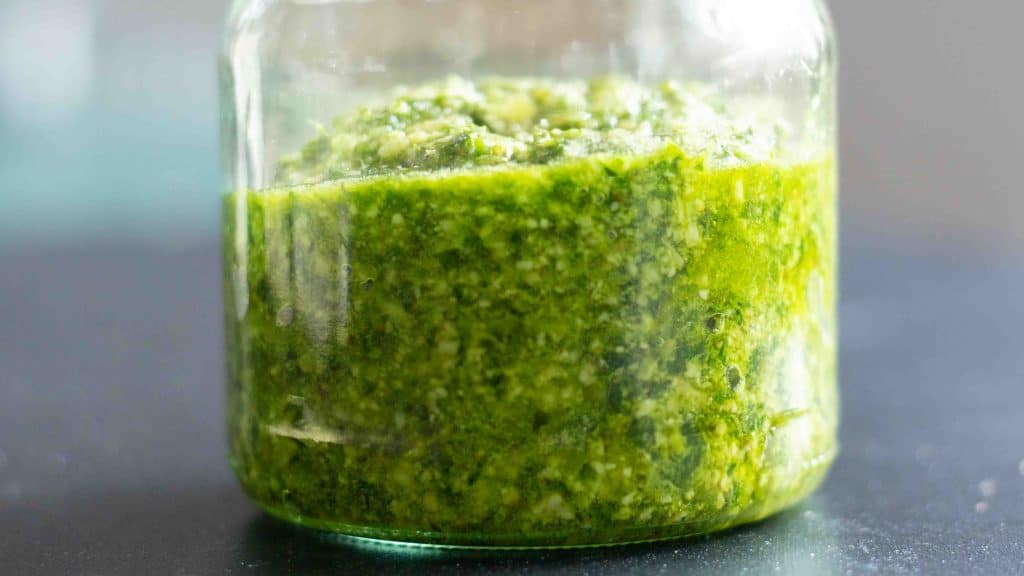
Walnuts make a fantastic, flavorful pesto and are less expesive than pine nuts. You can also use other alternatives like cashew nuts, sunflower seeds, walnuts, pumpkin seeds, toasted hazelnuts, or even hemp seeds. Or use a combination to make new and delicious pesto flavors.
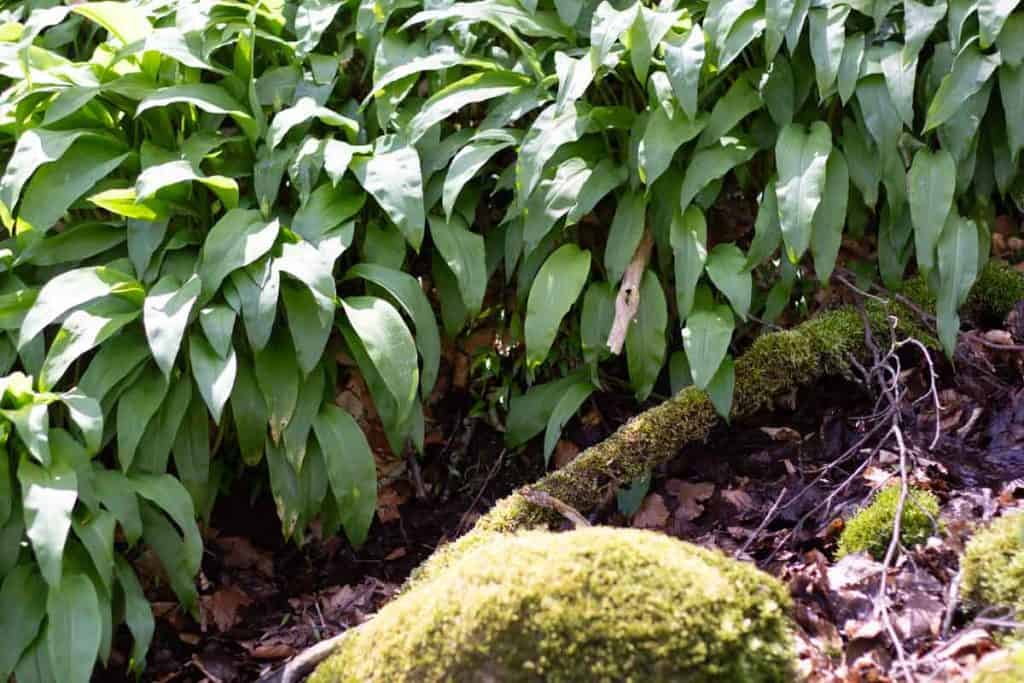 Wild garlic leaves
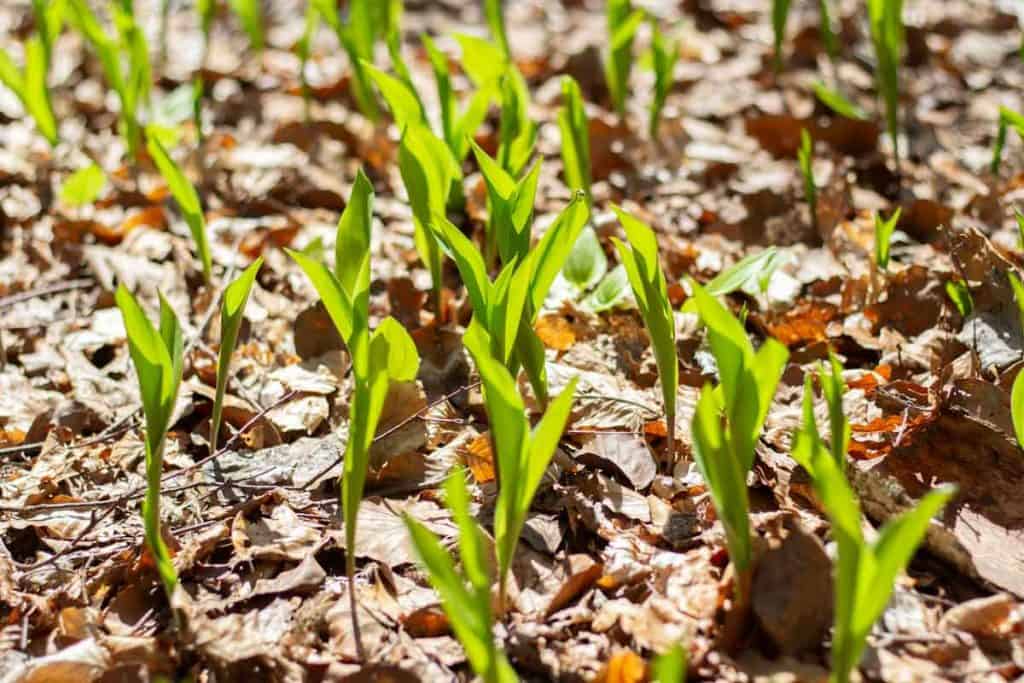 Lily Of The Valley!
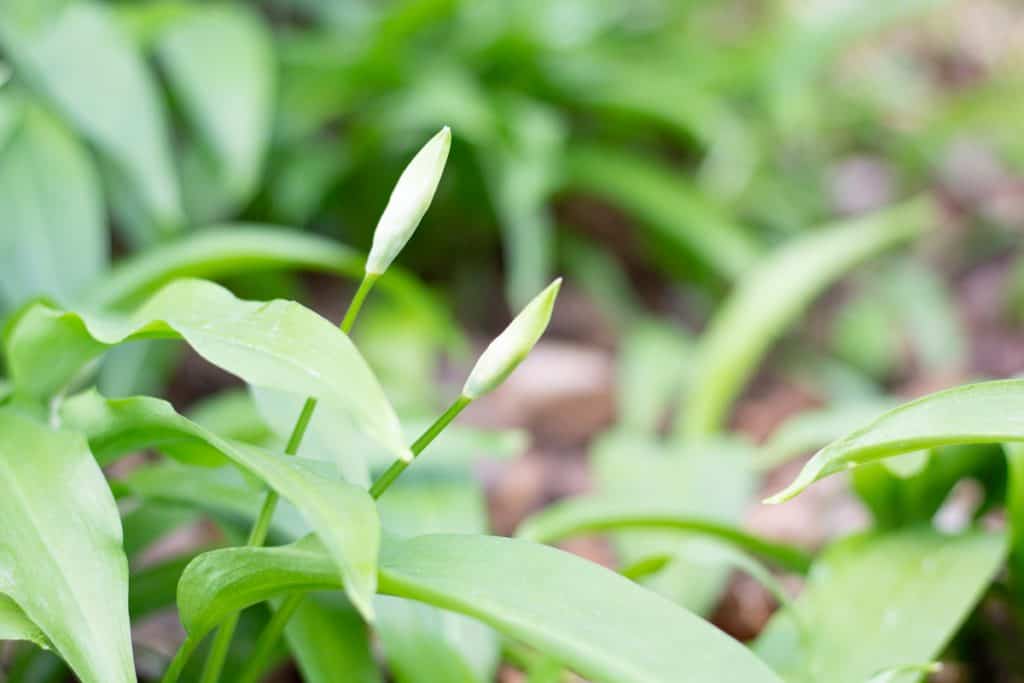 Wild Garlic flower buds
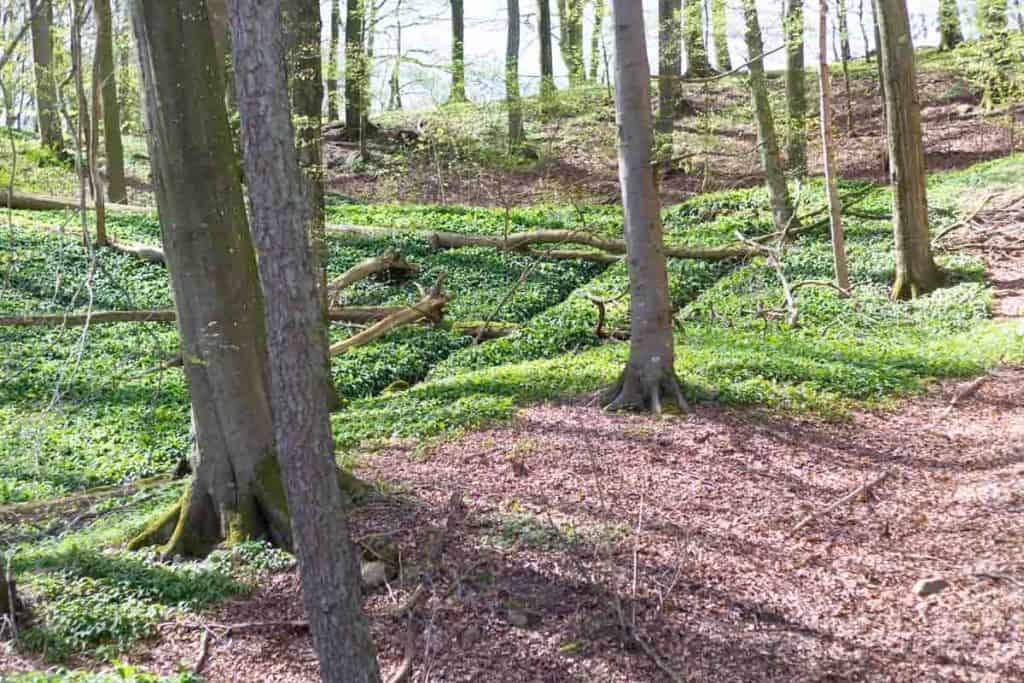 Wild Garlic
Wild garlic is also known as…
Wild garlic is also called Ramps, Ramsons, Bear’s Garlic, Bear Leek, Wild Leeks, Allium Ursinum, and Allium Tricoccum and often grows on forest floors.
If you forage your own wild garlic, remember to read up on your local regulations and forage responsibly!
Though it’s a perennial plant, only pick a few leaves from each plant to preserve the plant for future years.
Wild garlic can look similar to young Lily Of The Valley leaves, which are poisonous but wild garlic has a very distinct garlic scent when you crush the leaves.
It’s often found at local farmers markets or well-stocked grocery stores.

Wild Garlic Pesto Recipe
Ingredients
- 1 small bunch fresh wild garlic leaves – You can include the stems and the flowers – or save them for garnishing.
- 1/2 Cup Walnuts
- 1/3 Cup grated parmesan cheese
- 1/2 Cup extra virgin olive oil
- 4 tbsp fresh lemon juice
- 1/4 teaspoon sea salt
- Optional: Freshly ground black pepper
Equipment
A food processor or pestle and mortar
Instructions
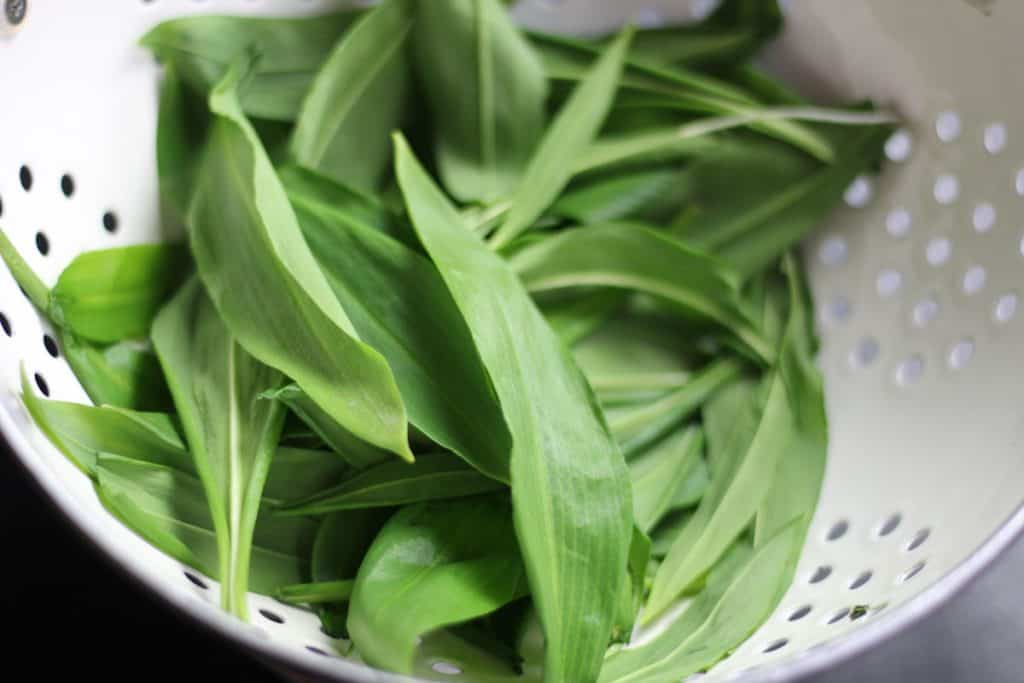
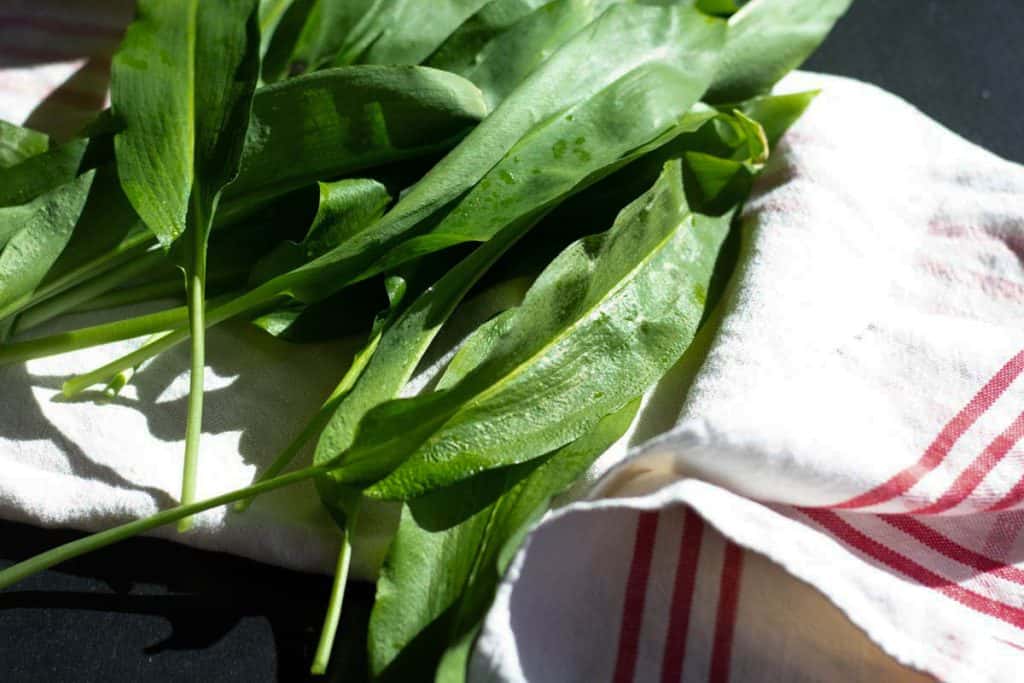
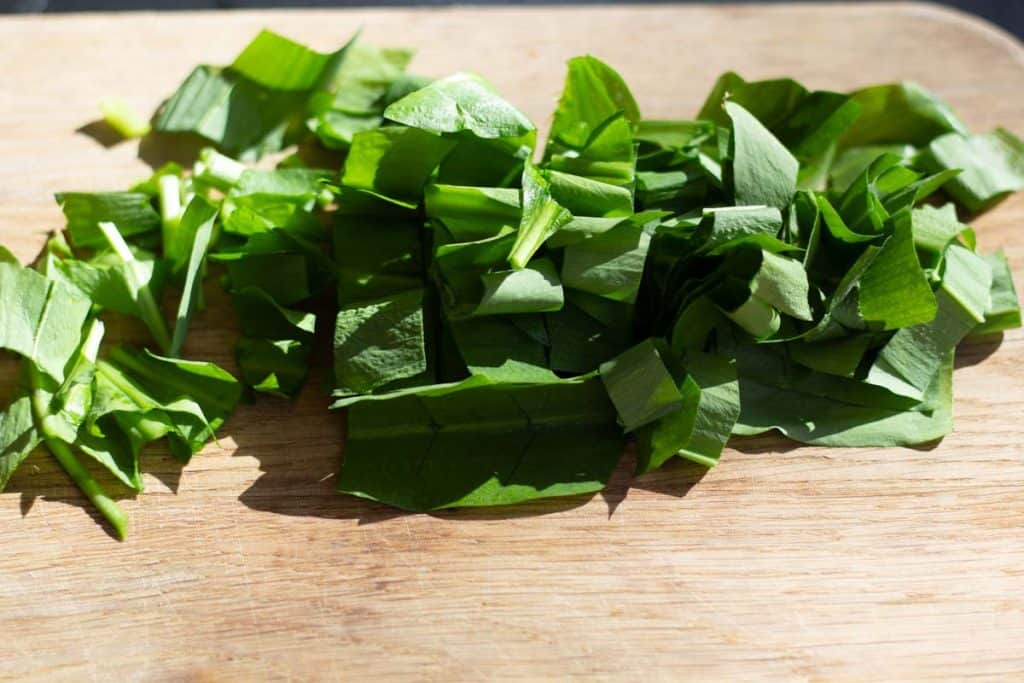
- First, sort through the wild garlic and remove debris, leaves, or roots from the bunch. Wash the leaves in cold water, and pat dry using a clean tea towel or a few layers of paper towels before roughly chopping. Add them to a food processor with the walnuts, parmesan, lemon juice, sea salt, and black pepper if using.
- Pulse the ingredients until they are finely chopped. Then slowly add the extra-virgin olive oil in a steady stream until the mixture is smooth.
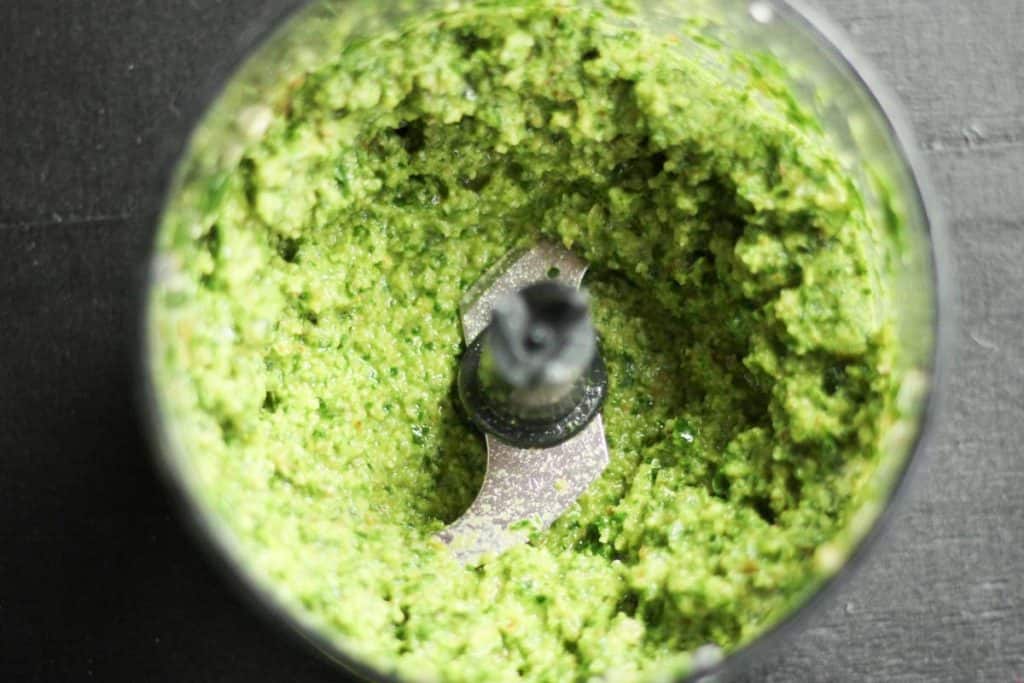
Taste and adjust the seasoning as needed. You may need to add a little extra olive oil until you reach the desired consistency.
If using a pestle and mortar, grind small amounts of wild garlic and nuts at a time until it becomes a rough paste. Add the mixture to a bowl together with the salt and slowly drizzle the olive oil into the bowl, mixing thoroughly until the oil combines with the paste. It's a bit labor intensive but makes a lovely pesto with lots of texture.
Serving suggestions
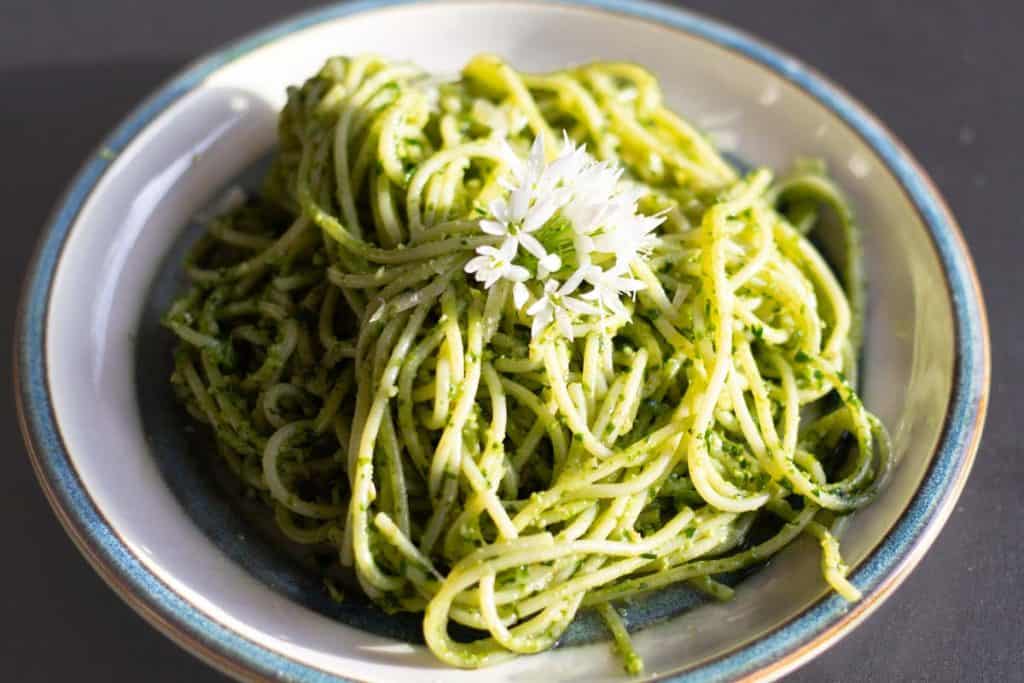

The classic way to serve pesto is with freshly cooked pasta to make a quick and delicious mid-week meal!
We also really enjoy wild garlic pesto tossed through roasted vegetables after roasting and added to potato salad. We often add it to cream cheese to make an amazing spread that can be served on Swedish crisp bread.
How to store homemade wild garlic pesto safely
Cover the top of the pesto with a thin layer of olive oil to prevent discoloration. Store in an airtight jar in the refrigerator and consume within 4-5 days.
The oil in the pesto can create an anaerobic environment that’s conducive to the growth of botulism-causing bacteria, so use it within the recommended time frame or freeze it down.
You can also freeze pesto.
Use a wide-mouthed lidded container like a clean jar, for example. (Be sure to leave room at the top of the container for the pesto to expand when frozen.)
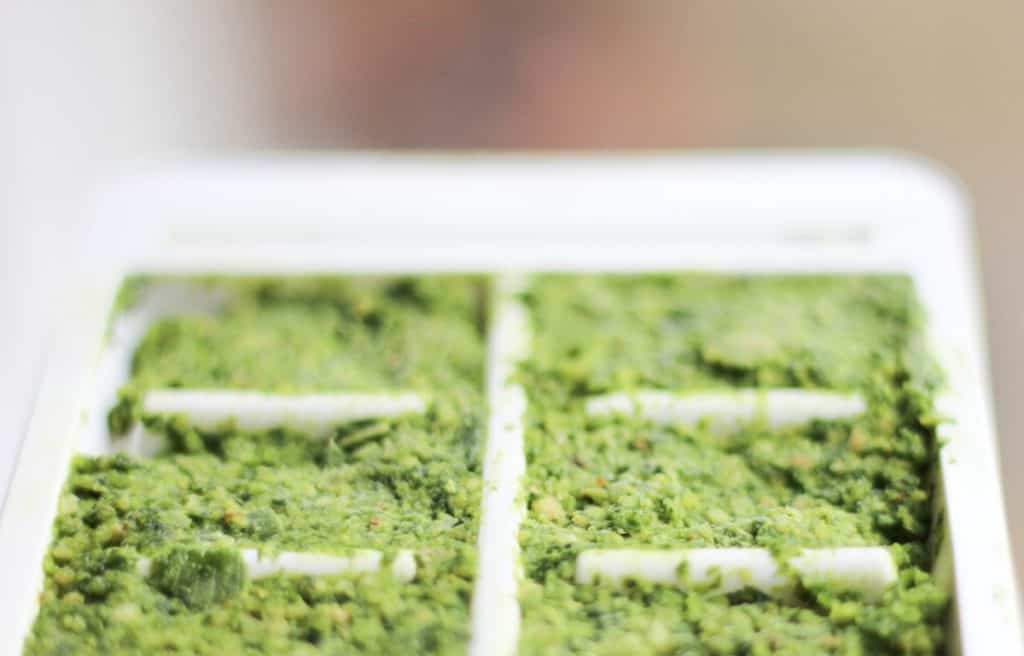
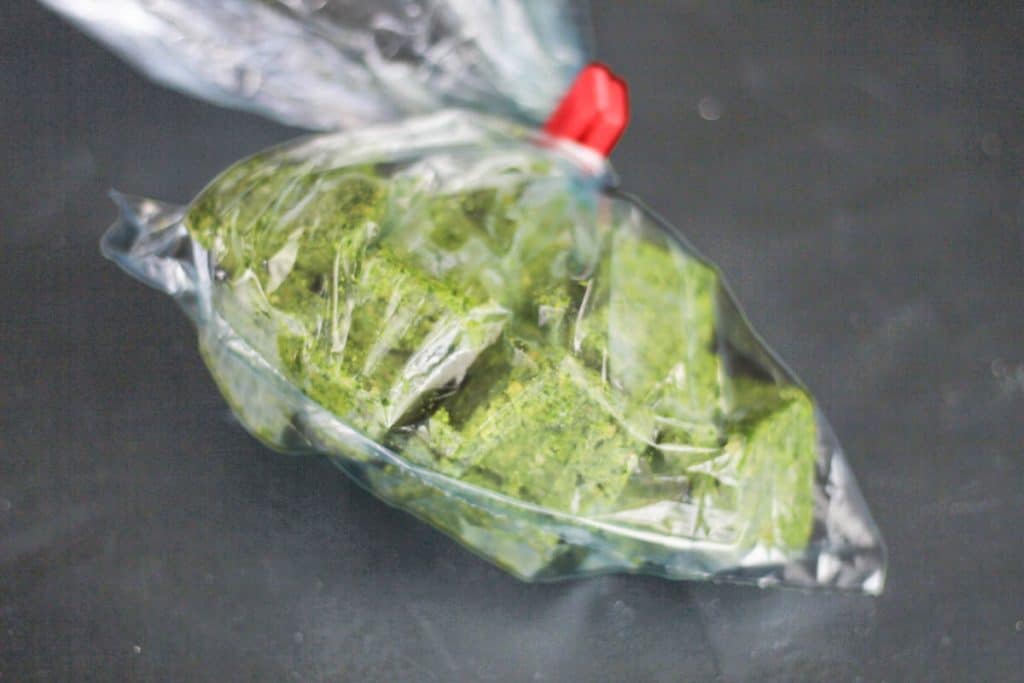
Another great way to freeze pesto is to use ice cube trays to form smaller portion sizes which can then be transferred to a freezer bag or ziplock when frozen.
Frozen pesto can be stored for up to 3 months. Thaw in the refrigerator overnight and stir well to combine any oil that has separated.
Variations
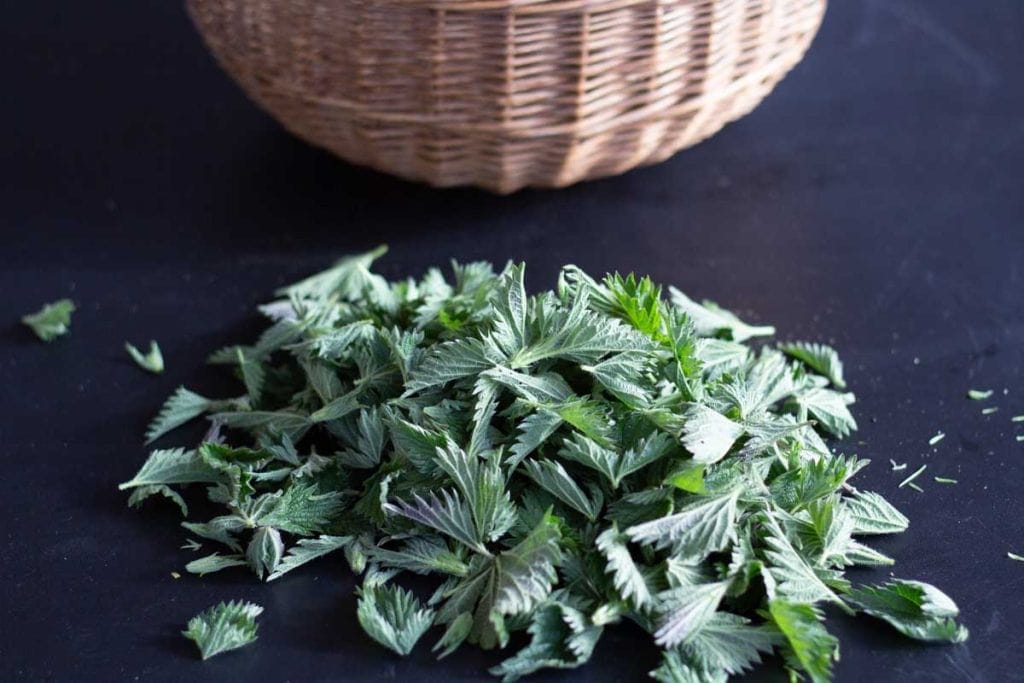
This is a basic pesto recipe that is easily adaptable. Experiment with adding fresh herbs, such as basil and parsley to make a herb pesto. Or if you enjoy foraging, you can add some young stinging nettle leaves together with a little lemon zest for a vibrant pesto.
The wild garlic season is short so make the most of it with these delicious wild garlic recipes!: Vibrant Green Wild Garlic Oil, Wild Garlic Salt, Easy Wild Garlic Hummus, Homemade Wild Garlic Butter and this delicious Creamy Wild Garlic And Nettle Soup.
Fresh Wild Garlic Pesto Recipe
Equipment
- Food processor Or pestle and mortar
Ingredients
- 1 Small bunch Wild garlic leaves Include the stems and the flowers – or save them for garnishing.
- ½ Cup Walnuts – You can also use pine nuts, cashew nuts, sunflower seeds or pumpkin seeds.
- ⅓ Cup Grated parmesan cheese
- ½ Cup Extra virgin olive oil
- 4 Tbsp Fresh lemon juice
- ¼ Teaspoon Sea salt
Optional
- Freshly ground black pepper
Instructions
- Sort through the wild garlic and remove debris, leaves, or roots from the bunch. Wash the leaves in cold water, and pat dry using a clean tea towel or a few layers of paper towels. Add them to a food processor with the walnuts, Parmesan, lemon juice, sea salt, and black pepper if using.
- Pulse the ingredients until they are finely chopped. Then slowly add the extra-virgin olive oil in a steady stream until the mixture is smooth.
- Taste and adjust the seasoning as needed. You may need to add a little extra olive oil until you reach the desired consistency.
- If using a pestle and mortar, grind small amounts of wild garlic and nuts at a time until it becomes a rough paste. Add the mixture to a bowl together with the salt and slowly drizzle the olive oil into the bowl, mixing thoroughly until the oil combines with the paste.
Notes
The classic way to serve pesto is with freshly cooked pasta to make a quick and delicious mid-week meal! Also tastes great tossed through roasted vegetables after roasting and added to potato salad. Variations:
Try alternatives like cashew nuts, sunflower seeds, walnuts, pumpkin seeds, toasted hazelnuts, or even hemp seeds. Or use a combination to make new and delicious pesto flavors. Storage:
Store in an airtight jar in the refrigerator and consume within 4-5 days. The oil in the pesto can create an anaerobic environment that’s conducive to the growth of botulism-causing bacteria, so use it within the recommended time frame or freeze it down. To freeze:
Use a wide-mouthed lidded container like a clean jar, for example. (Be sure to leave room at the top of the container for the pesto to expand when frozen.) You can also use ice cube trays to form smaller portion sizes, which can then be transferred to a freezer bag or a ziplock when frozen. Frozen pesto can be stored for up to 3 months. Thaw in the refrigerator overnight and stir well to combine any oil that has separated.
Nutrition
Please note:
This nutritional information is an estimate and values may vary. It is for guidance only and should not be considered dietary advice.

I hope you enjoy this recipe as much as we do! If you have any questions you can ask them here and I will do my best to answer them!
Holly
xx
Wow I have a whole batch of this now saved in an ice cube tray in the freezer for my morning toast. So luxurious and extremely tasty. Can’t believe I never thought of making this, as I’ve a garden full of wild garlic! Thanks for the idea Holly!
So glad that you enjoyed it! What a trat to have wild garlic in your garden!!